
Postnatal Depression Support: Understanding PND and How a Doula Can Help
Updated: Oct 15

Welcoming a new baby is often described as one of life's happiest milestones. Yet for many parents, the reality can feel very different. Alongside the love and joy of meeting your baby, there can be overwhelming feelings of anxiety, sadness, exhaustion and isolation.
Postnatal depression (PND) affects thousands of families across the UK every year. Despite being common, many parents still suffer in silence because they feel ashamed, guilty or worried about being judged.
As a birth and postnatal doula in Wiltshire, I believe every family deserves compassionate, evidence-based support during the transition to parenthood. Understanding postnatal depression is an important step towards ensuring parents receive the help they need.
What Is Postnatal Depression?
Postnatal depression is a recognised mental health condition that can develop during the first year after the birth of a baby. It is more serious and longer-lasting than the "baby blues", which typically resolve within the first two weeks postpartum.
According to the NHS, around 1 in 10 women experience postnatal depression, although the true figure may be higher due to underreporting. Fathers and non-birthing partners can also experience postnatal depression and anxiety.
Alongside seeking the support you need, it can help to think about practical care at home. My FREE First Week With Baby checklist covers meals, visitors, rest and making sure you feel supported too. Follow the link to request your FREE copy by email. Joining my newsletter is optional.
My Experience of Postnatal Depression
Following the birth of my second son, I experienced postnatal depression myself.
The pregnancy had been particularly stressful. At six months pregnant, my family relocated from Cyprus back to the UK with very little notice. We found ourselves living in a village where we knew nobody, over four hours away from our family and support network.
After my son was born, I felt incredibly isolated.
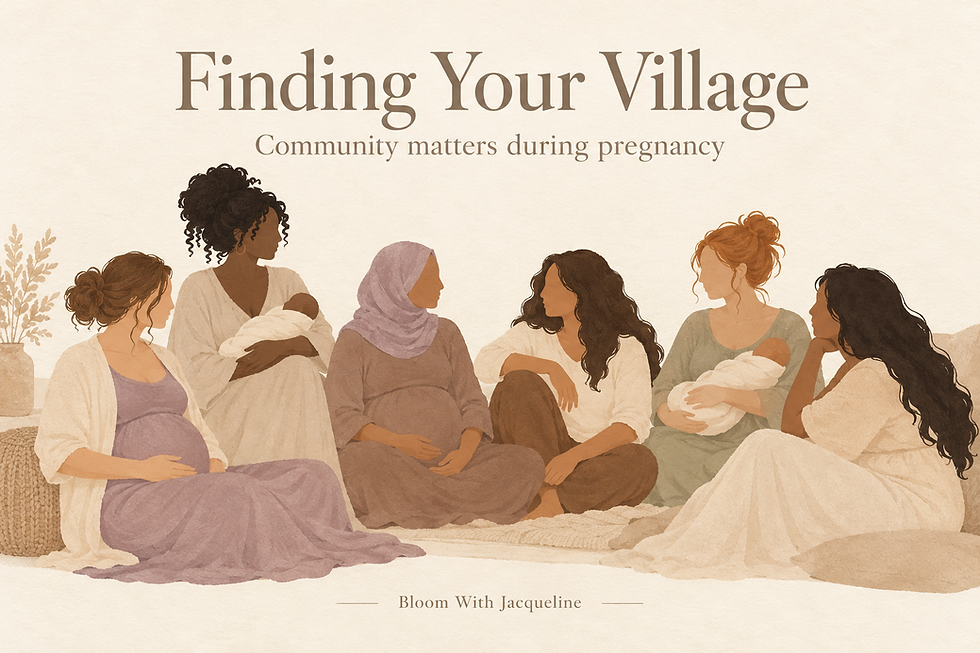
While everyone else seemed to move on with their lives, I was struggling to adjust to motherhood, anxiety and the pressures of caring for a newborn without a village around me. Looking back, I can see how much I would have benefited from the kind of postnatal doula support that I now offer to other families.
Having someone to check in regularly, listen without judgement, offer reassurance and provide practical help could have made a huge difference during that difficult period.
This experience is one of the reasons I am so passionate about supporting parents through pregnancy, birth and the postpartum period today.
Signs and Symptoms of Postnatal Depression
Symptoms of postnatal depression can vary significantly between individuals but may include:
Persistent sadness or low mood
Anxiety and excessive worry
Feeling overwhelmed or unable to cope
Frequent crying
Irritability or anger
Difficulty bonding with your baby
Loss of confidence
Feelings of guilt or failure
Loss of interest in activities you previously enjoyed
Fatigue and low energy
Changes in appetite
Sleep difficulties
Social withdrawal
Intrusive thoughts
Many parents describe feeling as though they are simply "surviving" rather than enjoying life with their baby.
Risk Factors for Postnatal Depression
Research suggests that several factors can increase the likelihood of developing postnatal depression:
Lack of Support
A lack of emotional and practical support is one of the strongest predictors of postpartum mental health difficulties.
Previous Mental Health Challenges
Parents who have experienced depression, anxiety or other mental health conditions may have an increased risk.
Stressful Pregnancy or Birth
Pregnancy complications, birth trauma, emergency interventions or difficult pregnancies can all contribute.
Isolation
Living far from family, lacking local friendships or experiencing loneliness can significantly affect mental wellbeing.
Sleep Deprivation
Ongoing sleep disruption can impact mood, resilience and emotional regulation.
The Importance of Postnatal Support
Research consistently demonstrates that strong social support improves maternal wellbeing and reduces the risk of postnatal mental health difficulties.
Historically, new parents were surrounded by extended family and community support. Today, many families are raising children without that traditional village.
This is where professional postnatal support can play a valuable role.
How a Postnatal Doula Can Help
A postnatal doula is not a replacement for medical care or mental health treatment. However, a doula can provide emotional and practical support that helps families feel less overwhelmed during the early weeks and months after birth.
Emotional Support
A doula provides a safe, non-judgemental space to talk openly about your experiences and feelings.
Practical Help
Support may include:
Preparing light meals
Making drinks and snacks
Holding your baby while you rest
Helping you establish routines
Supporting infant feeding
Light household tasks
Reducing Isolation
For many new parents, especially those without family nearby, regular contact can make a huge difference.
Signposting Professional Help
A doula can encourage and support parents in accessing appropriate healthcare services when additional support is needed.
Postnatal Depression Support in Wiltshire
As a postnatal doula based in Chippenham, I support families throughout Wiltshire, South Gloucestershire and remotely across the UK.
Whether you are navigating postnatal depression, feeling overwhelmed by the transition to parenthood, or simply want additional support after birth, you do not have to do it alone.
Every family deserves to feel supported, heard and cared for during this significant life change.
When to Seek Help
If feelings of sadness, anxiety or hopelessness persist for more than two weeks, or if they are affecting your daily life, please seek professional support.
You can contact:
Your GP
Your Health Visitor
NHS Talking Therapies
Your Midwife (during the early postnatal period)
Specialist Perinatal Mental Health Services
If you have thoughts of harming yourself or your baby, seek urgent medical help immediately.
Final Thoughts
Postnatal depression is not a reflection of your ability as a parent.
It is a common and treatable condition that deserves compassion, understanding and support.
My own experience taught me how important it is to have people around you who listen, care and help carry some of the weight during the early days of parenthood.
Whether that support comes from family, friends, healthcare professionals or a doula, you were never meant to do this alone.
Looking for Postnatal Doula Support in Wiltshire?
At Bloom With Jacqueline, I offer nurturing antenatal and postnatal doula support for families across Wiltshire, South Gloucestershire and throughout the UK via remote support packages.
Contact me for a free, no-obligation discovery call or click here to take a look at the packages I offer.


Comments